When Grief Turns Into Conflict: How Mediation Can Help Families Resolve Probate Disputes
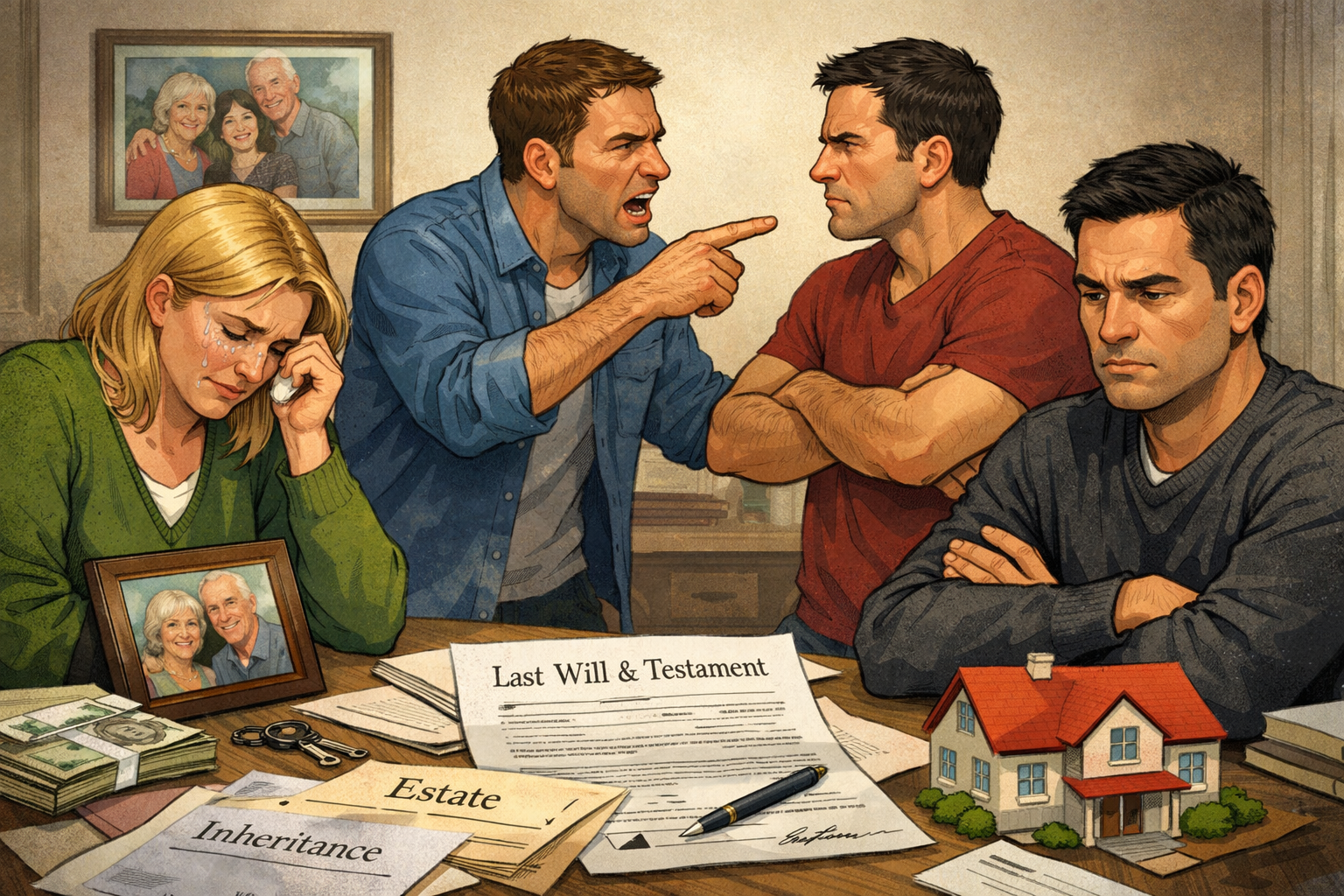
The loss of a parent is one of life’s most difficult moments. Families gather expecting to grieve, support each other, and honor the life that was lived. Unfortunately, when an estate must be settled, emotions that were already fragile can quickly turn into conflict.
Disagreements over inheritance, property, family roles, or perceived fairness often create painful divisions between siblings. Your mediator, Shelisa York, has lived experience with the trauma this can cause families. What begins as a conversation about paperwork can escalate into anger, silence, resentment, and even permanent family fractures or estrangement.
Probate disputes do not have to end that way. Mediation offers families a healthier path forward.
Why Probate Conflicts Happen
Estate disputes are rarely just about money or property. They are often fueled by deeper emotional dynamics such as:
Long-standing sibling rivalries
Differing interpretations of a parent’s wishes
Feelings that one child carried more responsibility than others
Concerns about fairness in asset distribution
Grief and unresolved family history
When these emotions collide in the middle of legal proceedings, families can quickly become entrenched in positions that are difficult to move away from.
Traditional litigation often intensifies the problem.
The Limits of Court Battles
When probate disputes move directly into court, the focus shifts to winning and losing. Attorneys present evidence, documents, and arguments designed to prove one side right and the other wrong.
While courts are necessary in some situations, litigation can create several challenges for families:
Legal battles can take months or years
Court costs and attorney fees can significantly reduce the estate
Personal relationships often suffer permanent damage
Decisions are made by a judge who does not know the family dynamics
In many cases, the outcome may resolve the legal issue but leave emotional wounds that never fully heal.
How Mediation Changes the Conversation
Mediation creates a structured environment where families can work through probate disputes collaboratively rather than competitively.
A neutral mediator guides the discussion, helping everyone communicate clearly and explore possible solutions. Instead of focusing on blame, mediation focuses on understanding interests and finding common ground.
During mediation, families have the opportunity to:
Share their perspectives in a controlled, respectful setting
Clarify misunderstandings about the estate or the will
Explore creative solutions that courts typically cannot offer
Maintain privacy rather than arguing in a public courtroom
Preserve family relationships whenever possible
Because the solutions are developed by the participants themselves, agreements reached in mediation often feel more balanced and acceptable to everyone involved.
Benefits of Mediation in Probate Disputes
Families who choose mediation often discover several key advantages:
1. Faster Resolution
Mediation can often resolve disputes in a matter of sessions rather than months or years of litigation.
2. Lower Costs
Reducing prolonged legal battles helps preserve more of the estate for the family rather than legal fees.
3. Greater Control
The family, not a judge, decides how issues are resolved.
4. Reduced Emotional Damage
Mediation encourages communication and empathy rather than confrontation.
5. Preserving Family Relationships
Even when complete agreement is difficult, mediation helps reduce hostility and maintain dignity in the process.
Honoring the Legacy of a Loved One
Most parents do not want their legacy to be a courtroom battle between their children. Mediation gives families the opportunity to resolve disagreements while still honoring the relationships that matter most.
Instead of letting conflict define the future, mediation allows families to focus on solutions, understanding, and closure.
About Your Mediator
Shelisa York, founder of Bridging Solutions Mediation and Consulting, is a court-qualified mediator who understands both the legal complexities and emotional realities of family disputes. When her father passed away unexpectedly when she was 12 years old, she saw first hand how families get torn apart and greed gets the upper hand. She not only lost her father, but the family that should have supported her and her siblings was shredded for years. Now, some 40 years later, her knowledgeable approach focuses on guiding participants toward constructive conversations and practical solutions.
If your family is facing a probate or inheritance dispute, mediation may provide the path forward that preserves both the estate and the relationships involved.
Contact Bridging Solutions Mediation
If you are navigating a probate dispute in Utah and want to explore mediation before litigation escalates, contact Bridging Solutions Mediation and Consulting to learn more about your options.
Resolving conflict doesn’t always require a courtroom. Sometimes it begins with a conversation.
